
You can power your home with solar, but success depends on your choices about system size, storage, and energy use. With a properly sized system, you can cover most—or even all—of your electricity needs and slash your monthly bills.
This guide walks you through the essentials: how solar powers a home, what it can realistically run, how to estimate your needs, and the steps to get closer to energy independence.
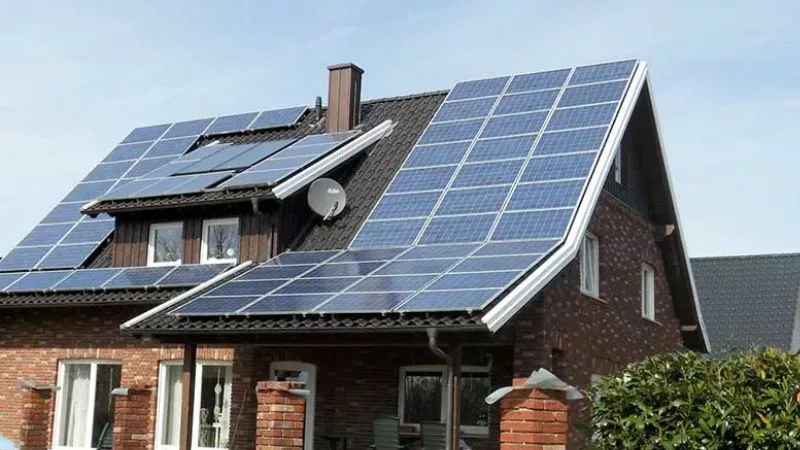
How Solar Panels Work To Power A House
The Simple Flow: Sunlight → Panels (DC) → Inverter (AC) → Powers Your Home → Excess to Battery/Grid.
Solar panels convert sunlight into electricity using photovoltaic (PV) cells. When photons hit the cells, they free electrons and create direct current (DC) electricity.
Your inverter changes that DC into alternating current (AC), which your appliances and the grid use. Modern inverters also manage safety functions and can optimize panel output.
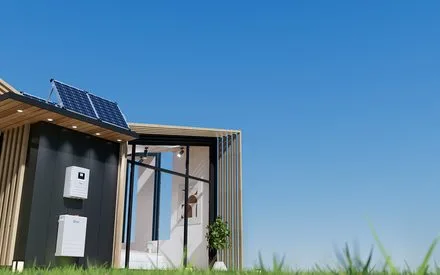
A typical rooftop system connects panels, inverter, and your home electrical panel. Electricity from the inverter feeds your circuits first; excess flows to the grid or charges a battery if you have one.
You should expect some power loss in conversion and wiring; typical system design accounts for those losses. Regular cleaning and inspections help keep production near rated performance.
Can Solar Power Support All Energy Needs?
Solar can power a home, but it’s not a constant, on-demand source like the grid. Its ability to meet all your needs depends on three key challenges:
- The Seasonal Swing: In winter, short days and weak sun can cut production by 50% or more versus summer. To get through cloudy winter weeks without the grid, you’d need a very large solar array and an extensive (and expensive) battery bank to store multiple days of energy.
- Instantaneous Power Demands: Your system needs to handle peak loads, not just daily averages. Turning on an electric heater, oven, and EV charger at the same time can create a power demand spike that exceeds what your solar panels are producing at that moment. Batteries or careful load scheduling are essential to manage these peaks.
- The Need for Trade-Offs: Full energy independence often means making choices. You might invest more upfront in a larger system, shift high-energy activities to sunny daylight hours, or accept using a backup generator or the grid during prolonged bad weather. Many find a balance—like using the grid as a backup in winter—more practical than pursuing 100% off-grid self-sufficiency at any cost.
How Many Solar Panels Do You Need To Power A House?
There’s no one-size-fits-all number, but you can get a good estimate by focusing on three things:
- 1. Your Annual Energy Use (in kWh): Find this on your utility bills. This is your starting point.
- 2. Your Local Sunlight: This is measured in “peak sun hours.” A sunnier state like Arizona gets more daily energy per panel than Washington.
- 3. Panel Wattage: Modern panels are typically between 350-400 Watts.
A Simplified Estimate:
A 400W panel in a location with 5 peak sun hours per day produces about 2 kWh daily (400W * 5h / 1000 = 2kWh), or ~730 kWh yearly.
If your home uses 10,000 kWh annually, you’d need roughly 14 panels (10,000 / 730 ≈ 13.7).
Important Note: This simple math doesn’t account for roof angle, shading, or seasonal shortages. Going fully off-grid requires extra panels to charge batteries for nights and cloudy days. For a precise figure, use online calculators or get quotes from installers who use detailed design software.
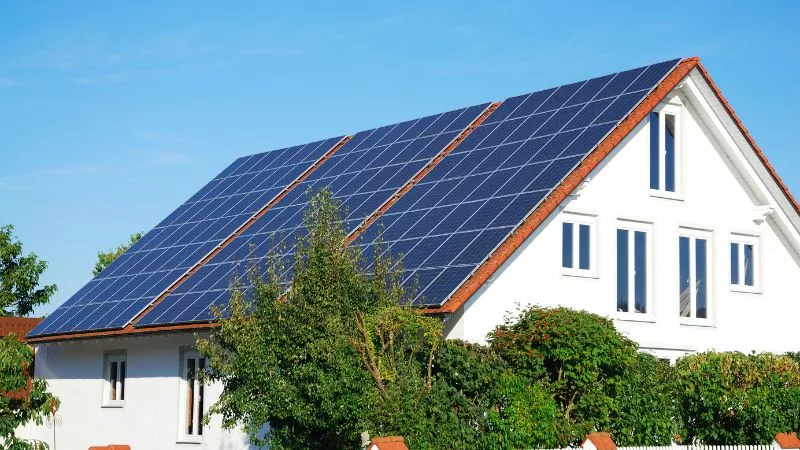
How To Run A House On Solar Power Alone
Making the decision to run your house on solar power alone is a significant step towards energy independence. Successfully powering your entire home with sunshine requires a strategic plan, not just an installation. Here’s a practical, four-step roadmap to transition your entire house to a self-sufficient solar power system.
Slash Your Energy Demand First (The Most Cost-Effective “Panel”)
Reducing your energy consumption is always cheaper than buying more panels and batteries to cover waste. This step shrinks the size and cost of the system you’ll need. Conduct a home energy audit. Replace old appliances with efficient models, switch all lighting to LEDs, and seal drafts in insulation. For homeowners aiming for off-grid living, this isn’t optional—it’s the foundation. Lowering your base load makes powering your whole house on solar a realistic goal.
Design a System for Your Worst-Case Day, Not Your Average Day
A system sized for yearly averages will fail in winter. The goal is to have enough power year-round.
How to do it: Work with a knowledgeable local solar installer to analyze your usage patterns and local weather. Your system must be sized to generate sufficient energy during shorter, cloudier winter days and include a battery bank with enough storage to power your home through several consecutive cloudy days. The right design ensures your entire home stays running.
Choose Equipment Built for Independence, Not Just Supplementation
An off-grid system has different needs than a grid-tied one. Every component must be robust and reliable. Select a “grid-forming” or hybrid inverter capable of creating its own stable electrical grid for your house. Ensure your battery bank’s usable capacity matches your needs from Step 2, and that your inverter can handle the simultaneous startup of your largest appliances (like a well pump or air conditioner). This ensures your house run smoothly.
Become an Active Energy Manager with Smart Habits
Solar alone requires harmony between production and consumption. Use smart home technology and simple habits. Schedule energy-intensive tasks (like running the dishwasher, laundry, or charging an EV) for sunny daytime hours. Monitor your system’s output and battery levels. This intelligent management is what makes running a house on solar power alone sustainable and prevents you from needing to fall back to the grid.
Is 100% Solar Right For You?
You’ll weigh money, site conditions, and how much you want to manage energy day-to-day. The next parts break down the up-front vs. long-term costs, the sunlight and space you need, and whether you’re ready to actively control your household energy.
Ask yourself these key questions:
- Finances: Can you manage the upfront cost? While incentives can help, a full off-grid system with large battery storage is a significant investment. Calculate your long-term savings against the initial price.
- Site Suitability: Do you have a sunny, unshaded roof (preferably south-facing) with enough space? Low sunlight or heavy shading makes a 100% solar goal much harder and more expensive.
- Lifestyle & Mindset: Are you willing to be an active energy manager? This may involve monitoring weather and your system’s output, and shifting some high-energy activities to sunny days. If you prefer a “set-and-forget” approach, a grid-tied system with net metering might be a better fit.
Conclusion
Powering your home entirely with solar is technically possible and deeply rewarding. Success depends on realistic planning, a suitable home site, and a willingness to adapt your energy use.
Start with an energy audit and consult with reputable solar installers. They can provide accurate assessments and help you weigh the options—whether that’s a resilient off-grid system, a grid-tied system with battery backup, or a simpler setup that still cuts your bills dramatically.
With the right preparation, you can harness the sun to create a more independent, sustainable, and cost-effective home.
Ready To Go Solar With Deye ESS?
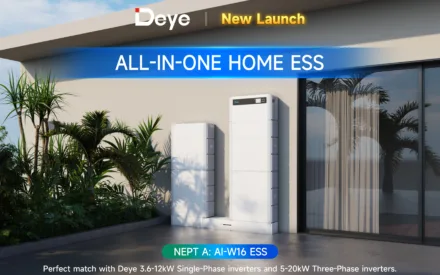
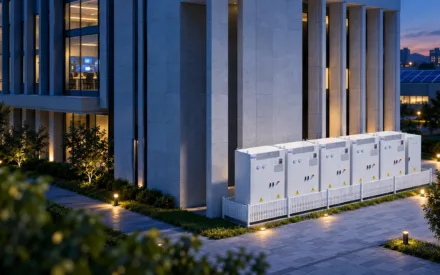
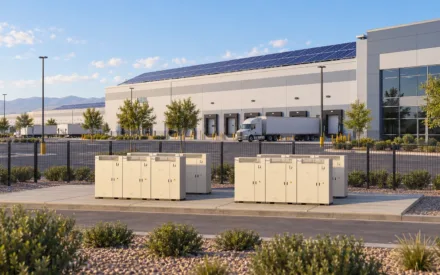
Want to power your home, business, or project with safe, reliable solar energy that works for you? Choose Deye—we’ve got over 20 years of PV system experience, so we know solar storage inside out! Our LFP solar batteries are game-changers: non-toxic, stable (no thermal runaway risks), long-lasting (10+ years, 70% capacity after 6000+ cycles), and super flexible—scale from 5kWh to 360kWh for any need.
Plus, we’ve got LV/HV series with AC/DC options, perfect for self-consumption, saving on time-of-use rates, cutting demand charges, backups, or going off-grid. All products are globally certified (UL, CE, UN38.3, etc.)—built to last.
Ready to take charge of your energy, go sustainable, and save cash? Contact us today for your storage needs—we’ll find the perfect Deye solution and get you on the path to energy independence!