Energy infrastructure is evolving fast, and understanding how electricity is generated, stored, and used is becoming more important. The distinction between front of the meter and behind-the-meter setups shapes how businesses and consumers interact with the grid and manage energy costs.
What “the Meter” Actually Means
At the center of this discussion is the utility meter, the device that tracks electricity flowing between a property and the grid. It acts as the boundary between utility-managed systems and customer-controlled energy resources.
- Front of the meter (ftm) refers to assets located on the utility side of the meter.
- Behind-the-meter (btm) describes systems installed on the customer side, typically on-site.
This distinction defines ownership, control, and how energy is used or monetized. While both approaches support modern energy solutions, they serve different purposes within the broader energy system.
What Is Front of the Meter (FTM) ?
Front-of-the-meter systems are typically utility-scale or large-scale installations connected directly to the grid. These include:
- Power plants (including renewable energy sources like wind and solar farms).
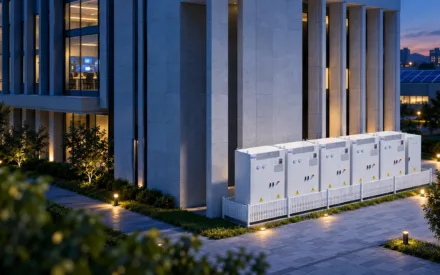
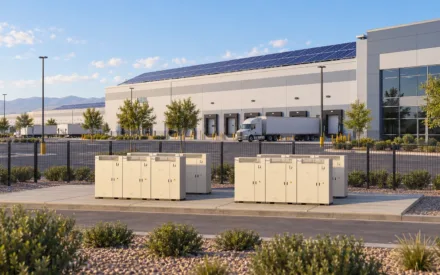
- Large battery storage or energy storage systems.
- Centralized storage systems supporting grid stability.
An FTM system generates or stores electricity for supply to the grid rather than directly to end users, supporting large-scale distribution and grid operations. Typically operated by utilities or energy providers, these systems are integrated with wholesale electricity markets and help enhance grid reliability, balance supply and demand, and ensure efficient power distribution.
For example, a solar farm paired with battery storage that feeds electricity into the grid is a classic front-of-the-meter setup.
What Is Behind the Meter (BTM) ?
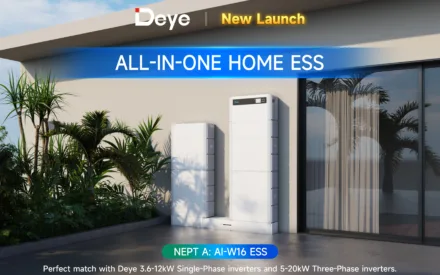
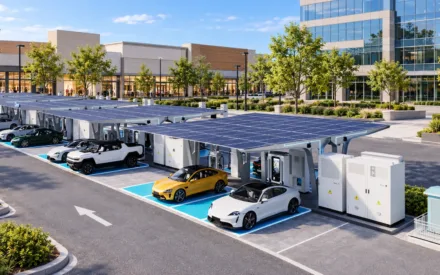
Behind-the-meter systems operate on the customer side of the utility meter. These setups focus on on-site energy production, storage, and consumption.
Common behind-the-meter solutions include:
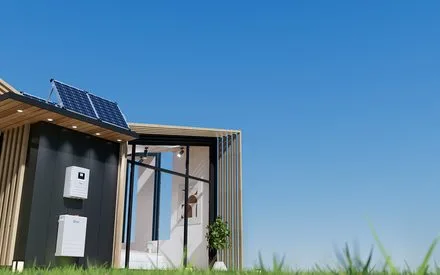
- Solar panels installed on rooftops.
- On-site battery storage systems.
- EV charging infrastructure for electric vehicles.
- Small-scale microgrids supporting localized energy independence.
Behind-the-meter (BTM) energy is primarily used on-site, reducing reliance on the grid and giving facilities greater control over energy use. It offers benefits such as increased energy independence, potential cost savings through lower energy and peak demand charges, and improved resilience during outages.
For instance, a commercial building using solar panels with battery storage to power operations during peak hours is leveraging a behind-the-meter approach.
Key Differences Between FTM and BTM
| Aspect | Front-of-the-Meter (FTM) | Behind-the-Meter (BTM) |
|---|---|---|
| Ownership and control | Owned by utilities or developers | Owned by customers or businesses |
| Location | Located outside the customer boundary, directly connected to the grid | Installed on-site, behind the utility meter |
| Purpose | Focuses on large-scale generation and grid support | Prioritizes on-site energy use, efficiency, and resilience |
| Energy flow | Supplies power to the grid for distribution | Primarily serves local, on-site demand |
| Scale | Typically utility-scale | Part of distributed energy networks |
A helpful way to visualize this: FTM acts like centralized infrastructure powering cities, while BTM functions as localized energy hubs within homes or facilities.
Why Behind-the-Meter Is Growing Fast
Behind-the-meter adoption is accelerating as businesses look for more control over energy use. The shift toward distributed energy and clean energy is a major driver.
Key factors behind this growth include declining costs for solar panels and battery storage, stronger sustainability targets, and rising concerns about grid reliability. The expansion of ev charging for electric vehicles is also increasing demand for on-site energy solutions.
Btm systems help organizations manage energy costs while improving operational stability. By generating on-site energy and storing excess power, businesses can reduce peak demand charges and smooth consumption.
Behind-the-meter energy storage systems make this even more effective. They allow users to store excess renewable energy, avoid high-cost peak periods, and maintain operations during an outage. In more advanced setups, microgrids enable facilities to run independently, reducing reliance on the grid.
How FTM and BTM Work Together
Front-of-the-meter and behind-the-meter systems serve different roles—but they are designed to complement each other.
Front-of-the-meter infrastructure supplies large-scale power to the grid. This includes utility-scale power plants and renewable energy sources that ensure consistent electricity across regions.
Behind-the-meter systems operate closer to where energy is used. They focus on on-site generation and distributed energy control.
How they align in practice:
- Ftm systems provide baseline supply and stabilize the grid.
- Btm systems manage local demand and improve flexibility.
- Together, they create more responsive energy solutions.
For example, cities depend on front-of-the-meter systems for primary power, while commercial sites use behind-the-meter systems to optimize on-site energy. As energy storage evolves, some systems now support both roles, linking centralized supply with local demand more efficiently.
About Deye Energy Storage Solutions
Deye provides advanced energy storage and smart energy solutions designed to support both front-of-the-meter and behind-the-meter applications. With a focus on reliability, efficiency, and innovation, we help businesses and homeowners optimize energy use, reduce costs, and strengthen energy independence. Visit Deyeess or contact us today to explore the right solution for your needs.
Frequently Asked Questions
What industries benefit most from behind-the-meter systems?
Energy-intensive sectors such as manufacturing, data centers, healthcare, and commercial real estate benefit the most. These industries use btm systems to reduce operational risks, manage peak demand, and ensure continuous power supply.
How do energy storage technologies differ in FTM vs BTM use cases?
In front-of-the-meter setups, energy storage is often used for grid balancing, frequency regulation, and large-scale backup. In behind-the-meter applications, storage is typically used for self-consumption, backup power, and peak shaving.