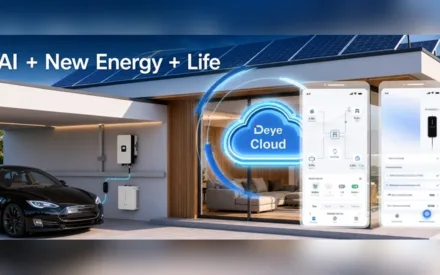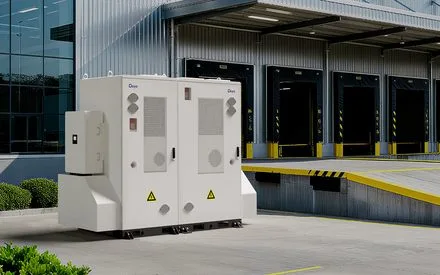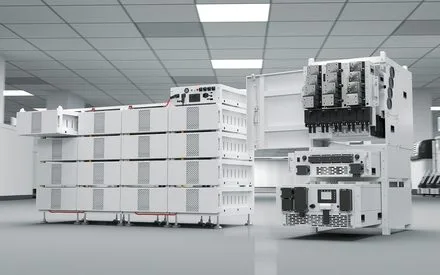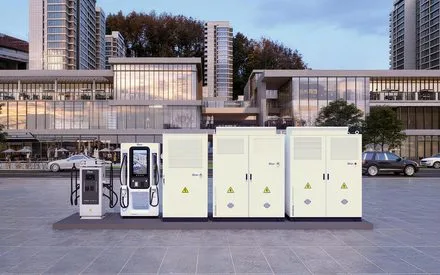


If you are looking into home energy storage, you have probably seen the term “10kWh battery” everywhere. It is currently one of the most popular sizes for home backup. But what does 10kWh actually mean for your daily life?
Numbers on a spec sheet are great, but when the power goes out, you only really care about one thing: How long will my fridge stay cold, and can I still watch TV?
In this guide, we are going to skip the complicated jargon. Instead, we will look at real-world, appliance-by-appliance examples so you can easily calculate exactly how long a 10kWh battery from deyeess.com will keep your home running.
The Simple Math: What is a 10kWh Battery?
Let’s start with a quick, painless explanation.
“kWh” stands for kilowatt-hour. One kilowatt is equal to 1,000 watts. Therefore, a 10kWh battery holds 10,000 watt-hours of energy.
Think of your battery as a giant water tank holding 10,000 gallons of water. Your home appliances are like different-sized pipes draining that tank.
- A small LED light is like a dripping faucet.
- A central air conditioner is like an open fire hydrant.
To calculate how long an appliance will run, you just divide the battery’s capacity by the appliance’s wattage: 10,000 Watt-hours ÷ Appliance Wattage = Hours of Runtime
Note: For the easiest math, we are using the full 10,000-watt-hour capacity. In reality, most batteries hold back about 5% to 10% of their power to protect themselves, so your actual usable energy is usually around 9,000 to 9,500 watt-hours.
The Appliance-by-Appliance Breakdown
Let’s look at exactly how long a fully charged 10kWh battery can power individual items in your home if they were running all by themselves.
The “Sippers” (Low Power Needs)
These items barely make a dent in your battery. You can run them for days without worrying.
- LED Light Bulb (10 Watts): 1,000 hours (Over 40 days!)
- WiFi Router (15 Watts): 666 hours (About 27 days)
- Smartphone Charger (10 Watts): 1,000 full phone charges
- Laptop Charger (50 Watts): 200 hours
- Ceiling Fan (50 Watts): 200 hours
The “Drinkers” (Medium Power Needs)
These are your everyday electronics and standard kitchen appliances. They take a bit more juice, but a 10kWh battery handles them with ease.
- Modern Refrigerator (150 Watts average): ~66 hours. (Fridges don’t run constantly; the compressor cycles on and off to maintain the temperature. A 10kWh battery can easily keep your food fresh for two to three days during an outage.)
- Large LED TV (100 Watts): 100 hours
- Coffee Maker (1,000 Watts): 10 hours of continuous brewing (Which equals hundreds of pots of coffee!)
- Microwave (1,000 Watts): 10 hours of continuous heating
- Washing Machine (500 Watts): 20 hours (Enough for dozens of loads of laundry)
The “Gulpers” (High Power Needs)
These appliances heat things up or cool things down. They pull a massive amount of power and will drain your battery quickly if you aren’t careful.
- Space Heater (1,500 Watts): 6.5 hours
- Electric Oven (2,000 Watts): 5 hours
- Central Air Conditioning (3,500 Watts): 2.5 to 3 hours
- Electric Water Heater (4,000 Watts): 2.5 hours
- Electric Vehicle Charger (7,000 Watts): Under 1.5 hours
Real-World Scenarios: Putting It All Together
Nobody runs just one light bulb or one TV at a time. To give you a realistic idea of what a 10kWh battery can do, let’s look at a few common scenarios.
Scenario 1: The “Power Outage Essentials” (Estimated Runtime: 24 to 30 Hours)
A severe storm knocks out your power. You just want to save your groceries, stay connected to the internet, and have some basic comforts.
- Running simultaneously: 1 Refrigerator, 1 WiFi router, 5 LED lights, 2 phone chargers, and a TV for evening news and movies.
- Total average power draw: ~300 to 350 Watts per hour.
- The Verdict: A 10kWh battery will comfortably sail through a full 24-hour day of this setup, and likely push well into the next day, giving you incredible peace of mind.
Scenario 2: The “Work From Home” Day (Estimated Runtime: 40+ Hours)
The grid goes down, but you still have deadlines to meet.
- Running simultaneously: 1 WiFi router, 2 laptops plugged in, 1 monitor, occasional use of a coffee maker, and a few lights.
- Total average power draw: ~200 Watts per hour (spiking briefly when you make coffee).
- The Verdict: You can easily work from home for two full days without breaking a sweat.
Scenario 3: The “Summer Heatwave” (Estimated Runtime: 5 to 7 Hours)
It’s the middle of July, the power grid is overloaded, and you want to stay cool.
- Running simultaneously: A smaller home Air Conditioner cycling on and off (averaging 1,200 Watts), the fridge, and the TV.
- Total average power draw: ~1,450 Watts per hour.
- The Verdict: Running an air conditioner is tough on any battery. A 10kWh unit will keep you cool through a rolling blackout or for an evening, but it won’t run central AC for a multi-day outage without solar panels recharging it.
Do You Need Solar Panels to Make it Work?
If the grid goes down, a battery will eventually run out of juice. That is where solar panels come in.
If you pair your 10kWh battery with a rooftop solar system, the game changes entirely. During the day, the sun powers your house and refills the battery. At night, your house runs off the stored battery power. With good weather and mindful energy usage, a 10kWh battery paired with solar can keep you off the grid indefinitely.
Is a 10kWh Battery Big Enough for You?
For most standard-sized homes, a 10kWh battery is the “sweet spot.” It is large enough to comfortably back up your essential circuits—like the kitchen, internet, lights, and home office—for a day or more.
However, if you live in a very large home, have a huge family, or want to run heavy appliances like central air conditioning, pool pumps, and electric ovens all night long, you might want to look into stacking multiple batteries to create a 20kWh or 30kWh system.
Ready to Secure Your Home’s Power?
Understanding your energy needs is the first step toward true energy independence. Whether you want to protect your family from grid blackouts, save money on peak electricity rates, or go completely off-grid, having the right battery makes all the difference.
If you are ready to explore high-quality, reliable energy storage solutions tailored to your home, contact our team. We are here to help you find the perfect system to keep your lights on, no matter what happens to the grid.