
Energy storage is not one-size-fits-all. The right storage system depends on how long you need power, how fast you need response, and what role storage plays in your grid, solar, or backup strategy. Here’s a clear guide to short, medium and long-duration energy storage.
Why Energy Storage Duration Matters for the Grid
Storage duration describes how long an energy storage system can discharge energy at its rated power. In simple terms, it tells you whether your storage can cover seconds, hours, overnight demand, or even multi-day needs.
As renewable energy grows, the grid needs more flexible storage. Solar and wind are clean, but renewable power changes with weather and time of day. Energy storage helps store excess energy when production is high and release it during periods of high demand.
For businesses, utilities, and households, duration affects:
- Backup power planning
- Peak demand reduction
- Solar self-consumption
- Grid stability
- Renewable energy integration
- Long-term energy cost control
Storage capacity vs. storage duration
Storage capacity is the total amount of electrical energy a system can hold. Storage duration is how long that stored power can be delivered.
| Term | Simple Meaning | Example |
|---|---|---|
| Storage capacity | How much energy is stored | 100 kWh battery storage |
| Power rating | How much power is delivered at once | 50 kW output |
| Storage duration | How long discharge lasts | 2 hours of energy |
| Storage Type | Typical Duration | Best Fit |
| SDES | Seconds to 4 hours | Fast response, peak shaving |
| Medium-duration | 4 to 10 hours | Daily solar shifting, business backup |
| LDES | 10 hours or longer | Multi-day resilience, deep decarbonization |
A larger storage capacity does not always mean longer duration. The final result depends on the relationship between capacity and power output.
Short-Duration Energy Storage for Fast Grid Support
Short-duration energy storage, sometimes called SDES, is usually used for short-term storage needs from seconds to a few hours. It is ideal when the grid needs quick response, not long backup time.
This is where lithium-ion and lithium-ion batteries are widely used. These battery systems respond quickly, making them useful for frequency regulation, load shifting, peak shaving, and backup power.
Typical short-duration storage applications include:
- Smoothing solar output
- Supporting frequency regulation
- Reducing peak demand charges
- Providing fast backup for critical loads
- Stabilizing the electrical grid
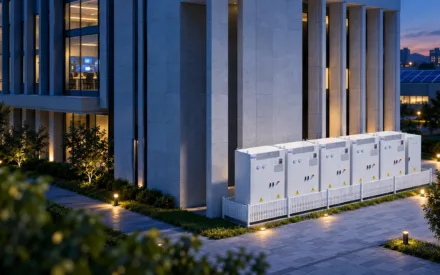
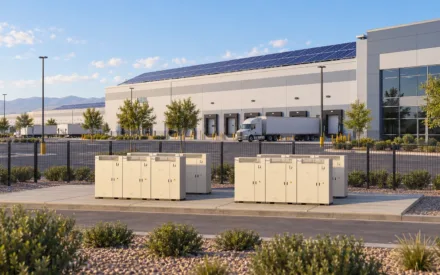
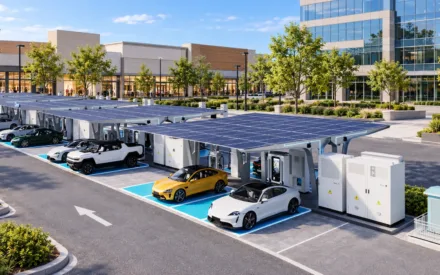
Short-duration storage is best when speed matters. For example, a commercial battery energy storage system can store excess solar power at noon and discharge energy later in the afternoon when utility rates rise.
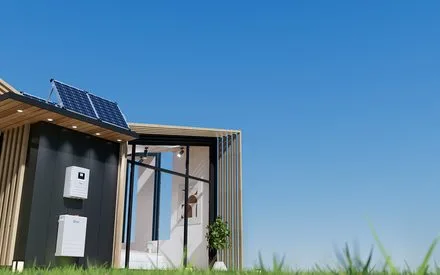
For homes and small businesses, short-duration energy storage systems are designed to improve daily renewable use, protect essential devices, and reduce reliance on the grid during brief outages.
Medium-Duration Energy Storage Bridges Daily Solar Gaps
Medium-duration energy storage usually covers longer daily cycles, often from several hours up to around 10 hours. This type of storage is valuable when solar generation drops but electricity demand continues into the evening.
Medium-duration energy storage supports the growing use of renewable energy sources by helping shift energy generated during the day to evening operations. For commercial and industrial users, this can improve energy independence and reduce exposure to time-of-use pricing.
Common medium-duration use cases include:
- Solar and storage for evening demand
- Factory microgrids
- Commercial load shifting
- Utility peak shaving
- Renewable energy smoothing
- Backup for longer outage windows
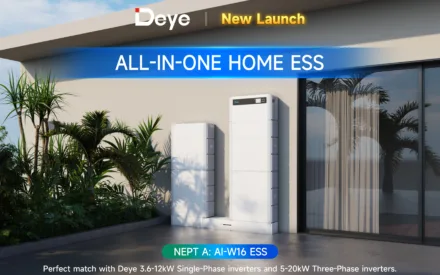
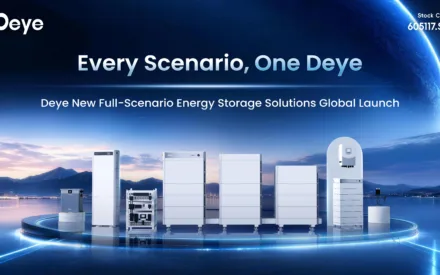
In many projects, advanced lithium-ion systems and LFP battery technology are practical storage options because they combine safety, efficiency, and flexible deployment. Deye’s energy storage solutions, for example, focus on modular design, intelligent BMS protection, and remote monitoring for residential, commercial, and utility applications.
Medium-duration storage is also important for new energy storage planning because it gives users a stronger balance between cost, response speed, and useful operating time.
Long-Duration Energy Storage, Hydrogen and Deep Decarbonization
Long-duration energy storage, often called LDES, usually refers to storage that can operate for 10 hours or longer. Some long-duration storage technologies may support multi-day, seasonal, or longer-term energy storage needs.
LDES becomes more important as grids add more renewable sources. When there is excess renewable power, long-duration energy storage can store and release energy later, helping decarbonize the energy sector without depending only on fossil fuels.
Long-duration energy storage may use different storage technologies, including:
- Flow batteries
- Compressed air energy storage
- Thermal storage
- Pumped hydro with a reservoir
- Hydrogen and green hydrogen
- Other emerging technologies
Hydrogen can be produced through electrolysis when excess electricity is available. It can then be stored for use later in power generation, industrial processes, or long-term energy applications. Green hydrogen is especially relevant when powered by renewable energy.
Where LDES technologies fit
LDES technologies are not always the first choice for every project. They are often most useful when the grid needs constant power over longer durations, such as overnight renewable balancing, remote utility support, or backup during extended weather events.
| Storage Type | Typical Duration | Best Fit |
|---|---|---|
| SDES | Seconds to 4 hours | Fast response, peak shaving |
| Medium-duration | 4 to 10 hours | Daily solar shifting, business backup |
| LDES | 10 hours or longer | Multi-day resilience, deep decarbonization |
The Department of Energy and global energy planners often view LDES systems as a key part of clean energy transition because they can support renewable deployment at scale.
Choosing the Right Energy Storage System
The best energy storage option depends on your energy storage needs. A home, factory, EV charging site, and utility project will not use storage in the same way.
Before choosing a storage system, ask:
- How many hours of energy do you need?
- Do you need short-term storage or longer durations?
- Is your priority backup, savings, grid support, or renewable integration?
- Will the system work with solar, diesel backup, or EV charging?
- Do you need modular expansion later?
A strong energy storage strategy should consider safety, lifecycle, storage capacity, software control, and installation environment. For lithium-ion systems, high round-trip efficiency and intelligent protection are especially important.
Deye provides residential, commercial and industrial, and utility-scale storage solutions designed for solar integration, backup power, off-grid use, and smarter energy management. You can explore more energy insights on the Deye blog or visit the Deye homepage to learn about the company’s broader clean energy ecosystem.
FAQs about Short, Medium and Long-Duration Energy Storage
What is the difference between short, medium and long-duration energy storage?
Short-duration energy storage is used for fast response and short discharge periods. Medium-duration energy storage covers daily gaps, often several hours. Long-duration energy storage supports 10 hours or longer, including multi-day or longer-term energy storage applications.
Is lithium-ion suitable for long-duration energy storage?
Lithium-ion is excellent for short-duration and many medium-duration uses. For longer-duration system needs, flow batteries, compressed air, thermal storage systems, hydrogen, and other emerging technologies may be considered depending on cost, site conditions, and grid requirements.
Why does solar need energy storage?
Solar production is strongest during the day, but high demand may happen later. Energy storage lets you store excess solar power and use it when needed, improving renewable self-consumption and reducing grid dependence.
Can energy storage replace gas plants?
In some use cases, energy storage can reduce the need for gas plants, especially for peak demand and grid stability. For longer backup or seasonal needs, medium- and long-duration storage may play a bigger role in decarbonization.
What duration is best for commercial users?
Many commercial users benefit from short-duration or medium-duration storage for peak shaving, backup power, and solar and storage optimization. The right duration depends on load profile, utility tariff, site design, and operational goals.
Looking for a reliable energy storage system manufacturer ?
Deye is a global leader in photovoltaic inverters and energy storage systems, delivering reliable, intelligent energy solutions across 150+ countries. If you’re looking for a trusted energy storage system manufacturer, contact us today to discuss your project requirements.