



LiFePO4 batteries are lithium-ion batteries for transport purposes; their chemistry does not remove dangerous-goods obligations. Importers, distributors, EPCs and warehouse operators should confirm the exact product classification, test evidence, transport mode, packaging instruction, state-of-charge limit where applicable, destination-country rules and storage controls before collection or delivery is booked.
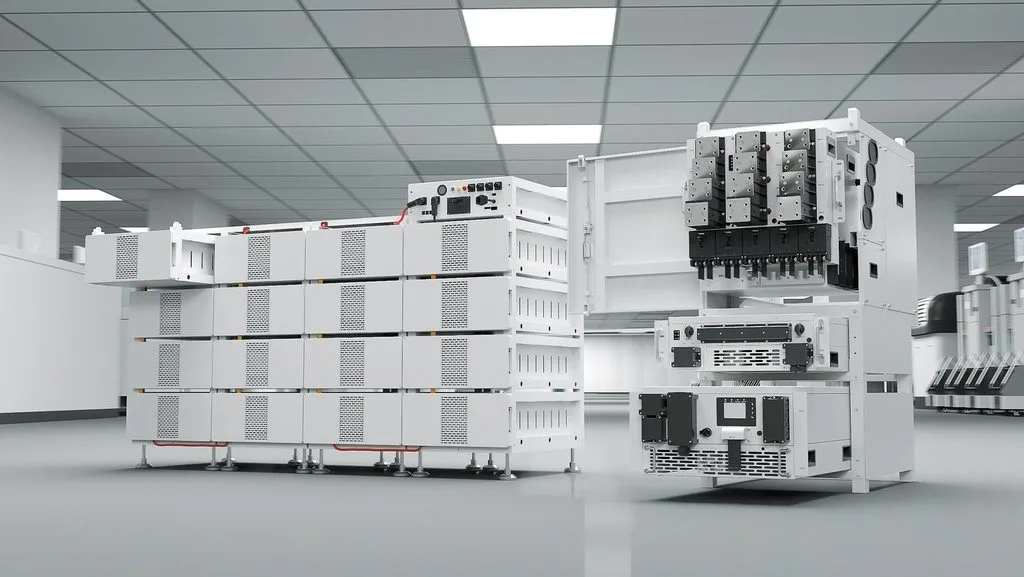
Shipping: classify the product and the shipment correctly
Lithium-ion cells and batteries are commonly transported under UN numbers that depend on whether they are shipped by themselves, packed with equipment or contained in equipment. Large BESS modules, racks and cabinets require especially careful review because their configuration, mass, energy, accessories and transport condition may not fit small-battery exemptions.
The governing transport framework depends on mode and route: ICAO/IATA rules for air, the IMDG Code for sea, ADR for road in many European countries, and applicable national road/rail rules. The shipper of record is responsible for correct classification, documentation, packaging and declarations; a freight forwarder does not automatically assume that responsibility.
Ask the manufacturer for the UN 38.3 test summary for the exact cell or battery family and retain it with your compliance records. Confirm the transport UN number, proper shipping name, hazard class, packing instruction, labels/marks, package specification, net quantity limits and documentation with a qualified dangerous-goods professional for the planned route. Never ship damaged, defective or recalled batteries under a standard new-product workflow.
State of charge and air freight
For lithium-ion cells and batteries shipped by air on their own, state-of-charge restrictions can apply; in many regulatory frameworks, a maximum 30% state of charge applies to cargo-aircraft shipments unless an approved exception is available. This is a transport-specific rule, not a universal storage target. Do not infer air-transport eligibility from a battery’s normal operating state of charge.
Because rules and carrier acceptance policies change, confirm the current IATA Dangerous Goods Regulations, airline limitations and origin/destination rules before every air shipment. Sea and road shipments follow their own requirements and should be planned independently.
Transport mode changes the compliance plan
| Mode | Key B2B planning focus | Do not assume |
| Air | Airline acceptance, state of charge, package instruction, quantity and urgent documentation review | That a sea-freight package or normal operating SOC is eligible for air transport |
| Sea | IMDG classification, container packing/restraint, port acceptance, stowage and voyage timing | That port/forwarder acceptance is automatic for a large BESS shipment |
| Road/rail | National/cross-border rules, carrier qualifications, route and handling constraints | That rules remain the same across every country on a multi-leg route |
For multi-modal transport, plan the strictest relevant handover early. A shipment delayed at a port may need approved storage longer than expected. Align the product’s permissible storage period and recharge/inspection requirements with the logistics schedule.
Prepare BESS equipment for transport
For containerised or rack-based systems, a shipping plan should define:
- battery state of charge and shutdown/transport mode specified by the manufacturer;
- electrical isolation, covers, terminal protection and prevention of short circuits;
- packaging and restraint that prevent movement, crushing and water ingress;
- shock/tilt controls if required by the product design;
- lifting points, centre of gravity, equipment mass and approved handling tools;
- dangerous-goods documentation, emergency contacts and handover records; and
- inspection criteria at origin, transshipment and destination.
Photograph the equipment condition before dispatch and after receipt. If a package is dropped, crushed, exposed to fire or shows leakage, swelling, abnormal heat, odour or damage, isolate the area and follow the manufacturer’s emergency instructions. Do not energise or re-ship it until qualified personnel have assessed it.
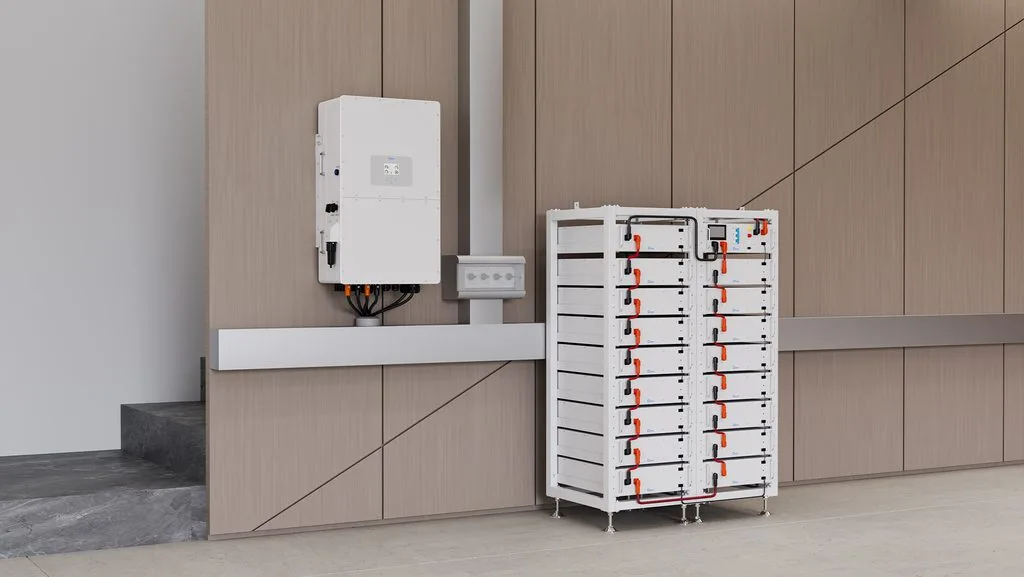
Receiving and quarantine workflow
Receiving personnel should verify documentation before unloading, then check package condition, labels, serial numbers and any transport indicators against the packing list. Use approved lifting equipment and follow the manufacturer’s lifting instructions. If there is no sign of damage, record receipt and move the unit to approved storage.
If an abnormal condition is found, stop further handling unless an immediate hazard requires evacuation, isolate the designated quarantine area under the site emergency plan, notify the safety lead and supplier, and preserve evidence. Do not open, charge, repair or return equipment based on a visual decision by untrained warehouse staff. Corrective action depends on product condition, transport regulation and specialist assessment.
Warehouse storage: preserve safety and product condition
Use the manufacturer’s installation and storage manual as the controlling document for temperature, humidity, state of charge, maximum storage duration, inspection interval and recharge requirements. Do not publish one generic storage temperature or shelf-life figure for every LiFePO4 product: these limits vary by product design, accessory loads, transport condition and warranty terms.
As a baseline operational discipline, warehouse teams should store batteries in a dry, secure, well-managed area away from direct heat, ignition sources, combustible storage and mechanical damage risks. Keep equipment accessible for inspection and emergency response; prevent stacking or loading beyond the manufacturer’s instructions; maintain clear labels and inventory traceability; and restrict access to trained staff.
For large quantities or installed BESS equipment, involve the local fire authority, insurer and qualified safety professionals early. Storage, charging, repair, quarantine and end-of-life handling may trigger different rules. A warehouse is not an approved place to repair damaged lithium-ion batteries.
Build a warehouse SOP around the exact product manual
An effective SOP names responsible roles, approved storage locations, temperature/humidity controls where required, maximum stacking/loading arrangement, inspection intervals, stock rotation method, recharge authorisation and emergency contacts. It separates unopened new product, installed/commissioned product, return material and suspect/damaged batteries. Traceability should link every unit to its serial number, arrival condition, storage location and relevant manual version.
Before shipment, buyers should confirm who maintains the battery during customs and site-construction delays. This prevents a logistics issue from becoming an avoidable product-condition or warranty dispute.
Receiving inspection and long-storage controls
Create a documented process that checks model/serial numbers, package condition, state of charge where specified, transport alarms or indicators, accessories, water ingress and visible damage. Record any discrepancy before signing final acceptance. For long storage, maintain the manufacturer’s recharge and inspection schedule, log ambient conditions if required, and segregate suspect equipment immediately.
For project procurement, request the storage and transport manual during technical evaluation—not after equipment reaches the port. Deye’s Download Center and service resources can help buyers identify available documentation; confirm the product-specific current version with the supplier.
Frequently asked questions
Does LiFePO4 avoid dangerous-goods requirements? No. It is a lithium-ion chemistry for transport classification; applicable rules depend on the exact shipment and route.
Can a warehouse recharge batteries after a long delay? Only under product-specific instructions, approved facility conditions and qualified responsibility. Do not treat recharge as a routine warehouse action.
Is a UN 38.3 test summary enough to release a shipment? It is important evidence, but classification, packaging, markings, documentation, carrier acceptance and destination rules must also be correct.
Plan compliant delivery and storage with Deye ESS
Contact Deye ESS with the destination country, transport mode, product model, quantity, delivery timing and warehouse/site conditions. We can help route you to the correct product documentation and supply discussion. Your appointed dangerous-goods specialist, carrier and local authorities should confirm the final shipping and storage compliance plan.