From factories to hospitals, battery energy storage systems are changing how industries manage power. BESS helps businesses store energy, cut costs, reduce outages, and integrate renewable energy sources. Here’s how real-world industries are putting BESS to work.
How BESS Works Across the Grid
A battery energy storage system captures electrical energy and stores it for later use. When demand rises or the grid falters, the system releases stored power. This simple charge and discharge cycle supports everything from peak shaving to backup power during grid outages.
The key components of a BESS include:
- Battery modules (often lithium-ion batteries)
- A power conversion system
- An energy management system
- Safety and cooling infrastructure
BESS installations are growing fast worldwide, driven by falling battery costs, renewable energy targets, and rising energy demand. The applications of battery energy storage now span nearly every sector.
Commercial and Industrial BESS Applications
Commercial and industrial facilities face high electricity bills, demand charges, and the risk of costly downtime. A battery storage system helps these businesses take control of energy costs and energy consumption.
Key applications of BESS in commercial and industrial settings:
- Peak shaving — reducing peak demand charges by discharging stored energy during demand periods
- Load shifting — moving energy usage to off-peak hours
- Backup power — keeping operations running during an outage
- Solar energy integration — storing excess energy from solar panels
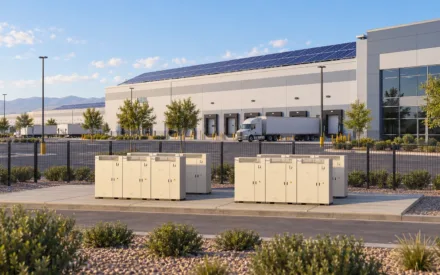
For example, a manufacturing plant might use BESS to avoid expensive peak demand periods. A logistics warehouse could pair solar power with battery storage to reduce grid dependence and operational costs.
Industrial facilities with heavy machinery benefit from reliable power supply, smoother energy consumption profiles, and better energy efficiency. Many are now replacing diesel generators with cleaner BESS solutions for short-duration backup.
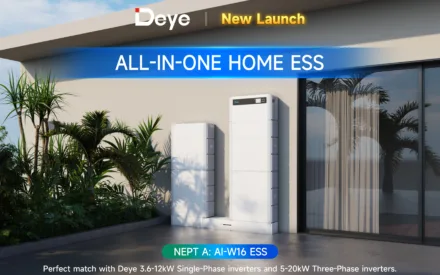
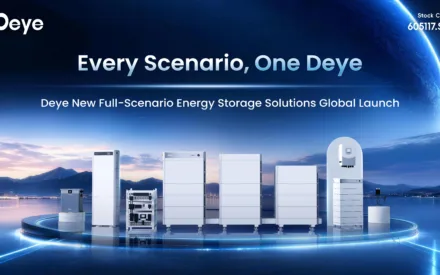
Deye offers commercial and industrial energy storage solutions with modular design, intelligent battery management, and remote monitoring — built for demanding environments.
Utilities and Grid-Scale Battery Storage
Utilities rely on BESS to maintain grid reliability, manage frequency regulation, and integrate intermittent renewable sources like wind and solar power.
| Utility BESS Use Case | What It Does |
|---|---|
| Frequency regulation | Balances supply and demand in real time |
| Grid reliability | Provides stable power during fluctuations |
| Renewable integration | Smooths variable energy generation |
| Capacity firming | Ensures consistent power from renewables |
| Transmission deferral | Delays costly grid upgrades |
Grid-scale BESS systems store energy from power plants and renewable energy generation during low-demand hours. During peak demand, the stored energy is released back to the power grid, reducing stress on infrastructure. This flexibility helps energy providers avoid building new gas-fired power generation and supports the broader energy transition toward clean energy.
Microgrids and Remote Power Supply
Microgrids combine local energy sources — such as solar panels, wind, and battery storage — into a self-sufficient energy system. BESS is the backbone of most modern microgrids.
In remote areas or island communities, microgrids with BESS reduce or eliminate dependence on diesel. A hybrid system using solar plus battery can provide backup power, stabilize supply, and lower fuel costs.
Common microgrid scenarios using BESS:
- Mining sites far from the grid
- Remote telecom towers
- Island resorts and communities
- Military installations
- Rural healthcare clinics
A well-designed microgrid with BESS improves energy independence and system resilience while cutting diesel consumption significantly. The integration of renewable energy into these microgrids also reduces carbon emissions.
Healthcare and Data Centers: Where Backup Systems Are Critical
Hospitals and data centers cannot tolerate even seconds of power loss. Traditional backup systems like diesel generators take time to start and require fuel logistics.
BESS responds instantly. When an outage occurs, the battery system bridges the gap until generators come online — or handles the full outage independently if paired with sufficient storage capacity.
For healthcare facilities, this means:
- No interruption to life-support equipment
- Stable power for operating rooms
- Reliable energy supply for sensitive diagnostics
For data centers, BESS provides:
- Seamless power continuity
- Reduced reliance on diesel generators
- Lower emissions and noise
- Better energy management during grid instability
These sectors increasingly view battery energy storage as essential infrastructure, not optional backup.
EV Charging and the Rise of New Energy Systems
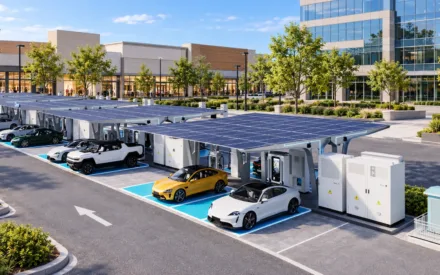
Electric vehicle charging stations create sudden, high-power demand spikes. Without storage, this can strain the local grid and trigger expensive demand charges.
BESS helps EV charging in several ways:
- Buffers energy demand so the grid connection stays smaller
- Stores solar energy for greener charging
- Enables fast charging in areas with weak grid connections
- Reduces operational costs for charging operators
EV charging paired with BESS is one of the fastest-growing BESS applications globally. As fleets electrify, the need for smart storage solutions at charging hubs will only increase.
Deye’s integrated PV-BESS-EV solutions combine solar, battery storage, and EV charging into a single platform — ideal for commercial sites looking to future-proof their energy systems. Learn more on the Deye blog.
Agriculture and Food Processing: Reliable Power for Production
Farms, cold storage facilities, and food processing plants need constant power to protect perishable goods. An outage can mean thousands of dollars in spoiled inventory.
BESS provides reliable backup and helps manage energy usage across daily cycles. Combined with solar panels, a battery system lets agricultural operations store excess solar power and use it during evening processing hours.
Key benefits for agriculture:
- Protection against outage-related losses
- Lower energy costs through peak shaving
- Reduced generator runtime and diesel use
- Support for green energy goals
For these users, lithium-ion batteries offer high energy density, long cycle life, and low maintenance — making them a practical energy storage option for rural and semi-rural locations.
FAQs about Real-World Examples of Industries Using BESS
What industries benefit most from BESS?
Commercial and industrial businesses, utilities, healthcare, data centers, EV charging operators, and remote operations all benefit. Any industry facing high energy costs, outage risk, or renewable energy goals can use BESS effectively.
Can BESS replace diesel generators?
In many cases, yes. BESS can provide backup power during grid outages with faster response and zero emissions. For longer outages, a hybrid system combining BESS with a generator offers the best reliability.
How does BESS support renewable energy?
BESS stores excess energy generated by solar panels or wind turbines. This stored energy is then available when renewable generation drops, helping integrate renewable energy sources smoothly into daily operations.
Is BESS suitable for small businesses?
Absolutely. Scalable battery technology and modular designs mean even smaller commercial users can deploy BESS for peak shaving, backup, and solar self-consumption. Storage technologies are more accessible than ever.
What is peak shaving with BESS?
Peak shaving means using stored battery energy during peak demand periods to reduce the highest power draw from the grid. This lowers demand charges and can significantly cut energy costs.
Looking for a reliable energy storage system manufacturer ?
Deye is a leading manufacturer of energy storage solutions for residential, commercial, industrial, and utility-scale applications. With advanced battery technology, intelligent monitoring, and modular system design, Deye supports sustainable energy projects worldwide.
If you’re looking for a reliable BESS manufacturer and supplier, contact us to discuss your project requirements.