

If your business is paying sky-high demand charges every month, peak shaving could be the answer. It’s one of the simplest, most effective ways to reduce peak electricity demand, lower energy costs, and take control of how you use battery energy storage. Here’s everything about peak shaving you need to know.
How Does Peak Shaving Work?
Peak shaving refers to leveling out spikes in electricity consumption during periods of high demand. Instead of drawing all your power from the grid during peak hours, you discharge stored energy to cover part of the load.
Here’s the basic cycle:
- Charge — During off-peak hours, your battery energy storage system charges using cheaper grid electricity or solar power.
- Monitor — Smart energy management systems track real-time power consumption and predict peak periods.
- Discharge — When demand rises, the system releases stored energy, reducing the amount of power drawn from the grid.
- Save — Your recorded peak demand drops, and so does your demand charge.
The result? A flatter demand curve, lower electricity costs, and better grid stability.
Why Peak Shaving Matters: Key Benefits of Peak Shaving
Businesses benefit from peak shaving in several ways. The savings go beyond just the electricity bill.
| Benefit | How It Helps |
|---|---|
| Lower demand charges | Reduces the highest peak load recorded in your billing cycle |
| Reduced electricity costs | Less power purchased from the grid during expensive peak times |
| Grid support | Eases strain on the grid during high demand events |
| Backup power | Battery storage systems double as emergency power during outages |
| Sustainability | Supports renewable energy integration and reduces energy consumption |
For many commercial facilities, demand charges account for 30–50% of the total electricity bill. Peak shaving reduces these charges by capping the maximum peak load your utility sees — even if your total energy used remains the same.
Peak Shaving Methods: Battery Storage, Generators, and More
Peak shaving can be achieved through several approaches. The right choice depends on your facility size, energy usage patterns, and budget.
Battery Energy Storage Systems (BESS)
Battery storage is the most popular and efficient method for peak shaving today. Modern lithium iron phosphate batteries offer:
- Instant response to demand spikes
- Silent, emission-free operation
- Modular, scalable designs
- Intelligent cloud-based load management
- 10+ year lifespan with minimal maintenance
Using battery storage for peak shaving allows businesses to automate the entire process — no manual intervention required. The system uses stored energy when demand is high and recharges when electricity prices drop.
Generators
Diesel or gas generators can also operate during peak periods to reduce grid dependency. However, they come with drawbacks:
- High fuel costs and maintenance
- Noise and emissions
- Slower response times vs. battery systems
Generators are increasingly being replaced by battery energy storage as costs decline and performance improves.
On-Site Solar + Storage
Combining batteries and solar panels creates a powerful peak shaving system. Solar energy generated during the day charges your battery, and stored energy is deployed during peak electricity demand periods — reducing both energy costs and carbon footprint.
Peak Shaving vs Load Shifting: What’s the Difference?
These two strategies are often confused, but there’s a clear difference between peak shaving and load shifting:
| Peak Shaving | Load Shifting | |
|---|---|---|
| Goal | Reduce maximum peak demand | Move consumption to off-peak hours |
| Method | Discharge stored energy during peaks | Reschedule operations to cheaper times |
| Total energy used | Stays the same | Stays the same |
| Best for | Reducing demand charges | Reducing time-of-use rates |
| Requires battery? | Usually yes | Not necessarily |
Peak shaving cuts the tops off your demand spikes. Load shifting moves entire loads to different times. The most effective energy management strategies combine both — use peak shaving to cap demand during peak periods, and load shifting to avoid peak electricity use altogether.
Who Should Use Peak Shaving?
Peak shaving systems deliver the greatest value for facilities with:
- Variable demand patterns — Manufacturing plants with heavy machinery that creates sudden spikes in power consumption
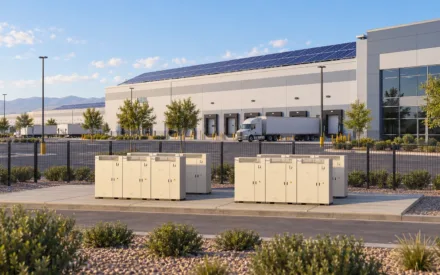
- High demand charges — Commercial buildings, data centers, and logistics hubs where peak power consumption drives up costs
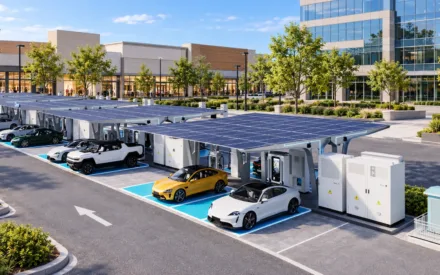
- EV charging infrastructure — Fast chargers create extreme demand spikes that peak shaving can smooth out
- Off-grid or microgrid sites — Remote operations that need to manage energy efficiently and reduce generator runtime
If your facility experiences even occasional demand spikes, peak shaving can lead to significant savings. Learn how peak shaving applies to your specific situation by reviewing your utility bill’s demand charge structure.
How Deye Energy Storage Supports Peak Shaving
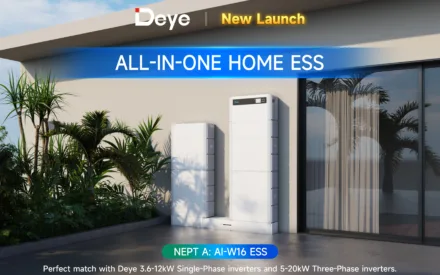
Deye’s commercial and industrial energy storage solutions are purpose-built for peak shaving and smart energy management. The platform combines high-capacity battery storage with an intelligent cloud system that automatically optimizes when to store and discharge energy.
Key features for peak shaving:
- Scalable modular design — Start with what you need, expand as demand grows
- AI-powered scheduling — Automatically identifies peak demand windows and deploys stored energy when demand is high
- Advanced safety systems — Multi-level fire protection, IP55-rated enclosures, and comprehensive electrical safeguards
- Seamless grid integration — On-grid and off-grid switching in under 10ms for uninterrupted operations
- Real-time monitoring — Cloud platform tracks energy consumption, peak events, and savings 24/7
Whether you need a standalone battery energy storage system for managing peak demand charges or a full PV + BESS solution for maximum energy cost savings, Deye provides tailored energy storage systems to match your requirements.
FAQs About Peak Shaving
How much can peak shaving save on my electricity bill?
Most businesses see demand charge reductions of 20–40%. The exact savings depend on your peak demand profile, local utility rate structure, and the size of your energy storage system. Facilities with sharp, short demand spikes typically save the most.
Can I use peak shaving with solar panels?
Yes. Storing excess energy from solar panels during the day and discharging it during peak periods is one of the most cost-effective peak shaving strategies. This approach reduces both demand charges and overall electricity consumption from the grid.
What size battery do I need for peak shaving?
Battery sizing depends on how much you need to reduce peak demand and for how long. A typical approach is to analyze 12 months of interval data from your utility meter. Your energy storage provider can then recommend the right capacity to accommodate these peak loads efficiently.
Is peak shaving the same as load shifting?
No. Peak shaving reduces maximum demand during peak times by supplementing with stored energy. Load shifting moves entire processes to off-peak hours. Both strategies reduce energy costs, but they target different components of your electricity bill.
Does peak shaving work with generators?
Yes, though battery storage systems are preferred. A generator can supply power during peak periods to reduce grid demand, but batteries offer faster response, zero emissions, lower maintenance, and quieter operation.
Save Money on Energy with the Right Storage Partner
Deye is a global leader in photovoltaic inverters and energy storage systems, delivering reliable, intelligent energy solutions across 150+ countries. If you’re looking for a trusted energy storage system manufacturer to help you reduce peak demand and lower electricity costs, contact us today to discuss your project requirements.