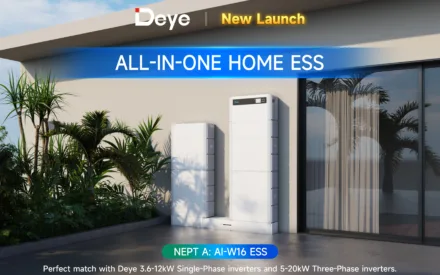



When choosing between a wall-mounted and floor-mounted home battery, the right option depends on the battery’s weight, the strength of the wall or floor, the available space, service access, local installation regulations, and whether you plan to add more storage later.
For many homes, a wall-mounted battery is a practical way to save floor space. A floor-mounted system can be easier to support, arrange and expand, especially when the battery is large or heavy. Neither option is automatically better. The better choice is the one that fits the site and can be installed according to the manufacturer’s instructions.
This guide compares the two formats so you can have a more useful conversation with your installer.
The Main Difference Is How the Battery Load Is Supported
A wall-mounted home battery is fixed to a suitable vertical surface with an approved bracket and fasteners. The wall and mounting system carry the battery’s weight. This keeps the floor below relatively clear and can create a neat, compact installation.
A floor-mounted battery transfers most of its weight to a level, stable base. Depending on the product, it may still need to be secured to prevent movement or tipping. Some floor systems use stackable modules, while others are single cabinets or battery packs fitted to a base.
Several products support more than one method. For example, the Deye RW-F10.2-B residential battery can be installed on a wall or floor. That flexibility is useful, but it does not remove the need for a site assessment.
When a Wall-Mounted Battery Makes Sense
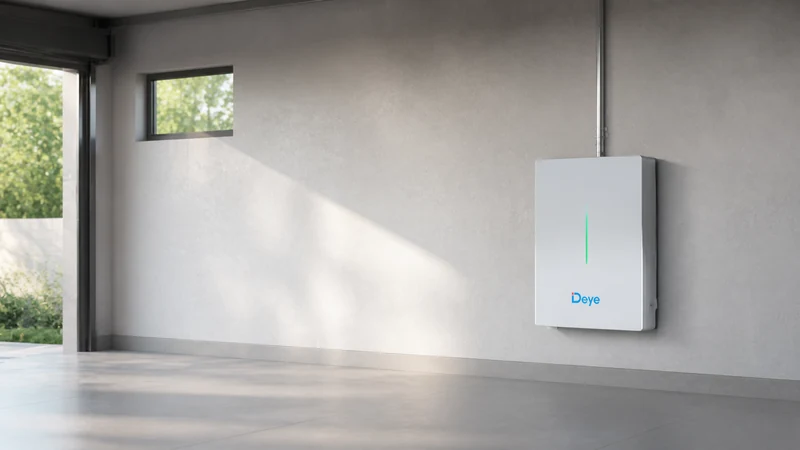
Wall mounting is often attractive in garages, utility rooms and other places where usable floor area is limited. Keeping the unit off the floor may leave more room for storage or make the space easier to clean.
It can also create a tidy equipment layout. The battery, inverter and protection devices can be arranged together, which may reduce unnecessary cable runs when the approved clearances and wiring routes allow it.
Wall mounting is usually worth considering when:
- The wall is structurally suitable for the battery and its mounting hardware.
- The battery’s specified location and clearances can be maintained.
- Floor space is more valuable than wall space.
- The controls and indicators remain easy to see and reach.
- The installation will not obstruct doors, vehicles or normal movement.
Weight is the key constraint. Home batteries can weigh tens of kilograms, and larger units may exceed 100 kg. Plasterboard or a visually convenient wall is not enough by itself. A qualified installer must identify a suitable structure and use the approved bracket and fixing method.
When a Floor-Mounted Battery Makes Sense
Floor mounting is often the simpler structural choice for a heavy battery because the floor carries the load. It may also suit modular systems that are designed to stack vertically or expand as the home’s energy needs grow.
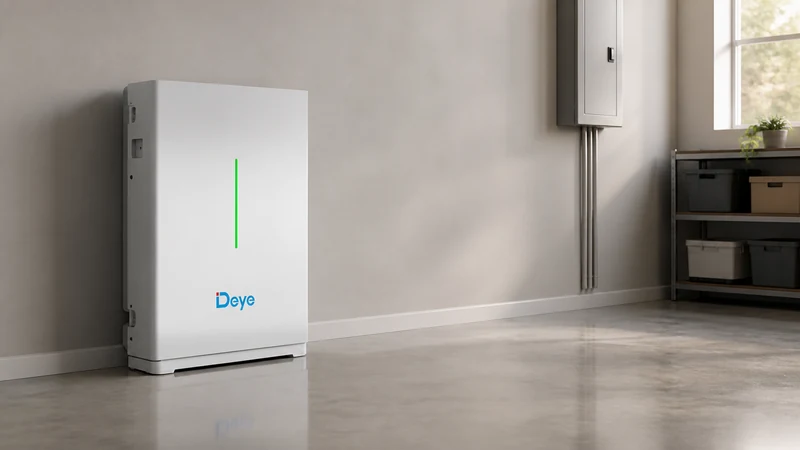
This format can be helpful when:
- The available walls are lightweight, uneven or already occupied.
- The battery is too heavy for a practical wall installation.
- The system uses stackable modules or a cabinet architecture.
- Future expansion is likely.
- Service access is easier at floor level.
The Deye SE-G5.1 Pro-B, for example, supports wall, floor and rack installation. A multi-format product gives the designer more options, but module arrangement, maximum system size and electrical compatibility still need to be checked.
Floor mounting also has trade-offs. It uses valuable floor area and may be more exposed to impact, water or clutter if the site is poorly chosen. The base must be level and able to support the complete system. A battery should never be placed where standing water, flooding or routine vehicle contact is possible unless the product and installation design are specifically approved for that environment.
Compare the Options Across Six Practical Factors
1. Space and Traffic Flow
Measure more than the battery itself. Allow for the manufacturer’s required clearance, cable bends, access panels and a safe working area. A wall unit saves floor area, but it can still project into a narrow path. A floor unit needs a defined footprint that should not become household storage space.
2. Structural Support
For wall mounting, the installer must assess wall material, structure and fastener loads. For floor mounting, the floor must be stable, level and rated for the system’s total weight. If several modules are installed, assess the complete stack rather than one module.
3. Indoor or Outdoor Location
Installation type and environmental rating are separate questions. Check the product’s IP or enclosure rating, permitted temperature and humidity, and instructions on sunlight, rain and ventilation. An outdoor-capable enclosure is not permission to install the battery anywhere outdoors.
4. Maintenance Access
Technicians need safe access to isolators, communication ports, indicators and removable covers. A battery mounted too high, squeezed into a corner or blocked by other equipment can make service harder and more expensive.
5. Expansion Plans
If you expect to add an EV, heat pump or more backup loads, discuss expansion before selecting a layout. Floor-stacked and rack-based systems can make modular growth straightforward, while multiple wall batteries may work well when enough suitable wall area is reserved. Product limits, battery age, model compatibility and inverter capacity all matter.
6. Installed Cost
Do not compare battery prices alone. Wall mounting may require stronger fixings, additional labor or structural work. Floor mounting may need a base, bollards or protection from water and impact. Cable length, disconnects and local code requirements can change either estimate.
A Quick Decision Checklist
Before approving the layout, ask your installer:
- Is this exact battery approved for the proposed mounting method?
- Can the wall or floor safely carry the full installed weight?
- Are all required clearances and escape routes maintained?
- Is the location within the specified temperature and moisture limits?
- Can a technician safely isolate and service the system?
- Is there room for the capacity we may need later?
- Does the design meet local electrical and fire-safety requirements?
The wider Deye residential ESS solution shows how battery storage can work with solar, backup loads, EV charging and other home energy needs. Starting with the whole energy plan makes the mounting decision much easier.
Choose the Layout Around Your Home, Not a Product Photo
A wall-mounted battery is often best when floor space is tight and a suitable structural wall is available. A floor-mounted battery is often better for heavier or modular systems and sites where wall strength is uncertain. The final decision should come from the product manual, a site survey and local rules—not appearance alone.
Want a home battery recommendation based on your available space and backup goals? Visit the Deye ESS Contact page and complete the inquiry form. Include your country, household electricity use, solar system size, preferred installation area, wall type, available floor space and any loads you want to keep running during an outage. These details will help the team discuss a suitable residential ESS configuration with you.