

Solar batteries are essential for maximizing your investment in solar energy, but their performance and lifespan depend on proper installation and maintenance. Understanding common issues and how to prevent them helps you avoid costly repairs and keep your system running efficiently.
Most Common Solar Battery Issues
1. Overcharging and Thermal Damage
Overcharging occurs when your battery receives more energy than its maximum capacity allows. Faulty charge controllers, incorrect voltage settings, or BMS malfunctions typically cause this problem. The result is excessive heat buildup that damages internal chemistry and shortens lifespan significantly.
Warning signs include bulging battery casings, unusual chemical odors, unexpected thermal shutdowns, and batteries that reach 100% charge unusually fast. Most 48V lithium-ion systems require maximum charge voltage between 54V and 58V. Verify your inverter and charger settings match manufacturer specifications exactly, or consult a professional to recalibrate your system before permanent damage occurs.
2. Chronic Undercharging
When batteries never reach full capacity, their performance suffers and usable energy storage diminishes. Low solar panel output from shade, accumulated dirt, or undersized arrays commonly causes this issue. Conservative charge controller settings can also prevent batteries from completing full charge cycles.
Lead-acid batteries are particularly vulnerable — chronic undercharging can reduce their effective capacity by 40% within months. Inspect your solar panel array regularly for obstructions and clean panels at least twice yearly. Adjust charge schedules to maximize charging during peak sunlight hours, typically 10 AM to 3 PM in most regions.
3. Sulfation in Lead-Acid Batteries
Sulfation happens when lead-acid batteries sit in a partially discharged state for extended periods. Soft lead sulfate crystals form on the battery plates and gradually harden, blocking the chemical reactions needed for charging and discharging. This permanent damage is the leading cause of premature lead-acid battery failure.
Symptoms include difficulty accepting a full charge, rapidly declining capacity, and longer charging times. Prevention is essential — maintain lead-acid batteries above 50% state of charge whenever possible. If you store batteries seasonally, fully charge them first and use a maintenance charger to prevent sulfation during storage periods.
4. Cell Imbalance and Uneven Degradation
Multi-cell battery banks sometimes develop imbalances where individual cells charge or discharge at different rates. This stresses weaker cells disproportionately, accelerating their degradation and reducing total system capacity. Voltage differences exceeding 0.1V between cells indicate a serious imbalance requiring immediate attention.
Quality BMS units automatically balance cells during charging, but older systems or those with failing electronics may not. Monitor individual cell voltages monthly through your battery management interface. Professional assessment every 6-12 months catches developing imbalances before they cause complete system failure or require full battery bank replacement.
5. Temperature-Related Performance Issues
Extreme temperatures are among the most damaging factors affecting battery lifespan and efficiency. Batteries operating above 30°C can lose 50% or more of their expected lifespan due to accelerated chemical reactions inside the cells. Conversely, temperatures below 5°C reduce available capacity by 20-30% and may prevent lithium batteries from accepting any charge.
Install batteries in climate-controlled spaces whenever feasible. For outdoor or garage installations, use insulated enclosures with adequate ventilation and consider active thermal management systems in extreme climates. Monitor temperature continuously through your battery management system and investigate immediately if readings consistently fall outside the 15°C to 25°C optimal range to maintain system efficiency.
6. Physical Damage and Connection Failures
Physical battery damage from impacts, improper installation, or corrosion at connection points creates serious safety hazards and performance problems. Corroded terminals increase electrical resistance, wasting energy as heat and preventing proper charging. Loose connections cause voltage drops, arcing, and potential fire risks.
White or greenish buildup on terminals signals active corrosion. Clean affected areas with a baking soda solution, dry thoroughly, and apply protective coating. Inspect all wiring for fraying, burns, or loose connections during regular maintenance. Damaged batteries showing cracks, leaks, or swelling must be replaced immediately — attempting to use compromised units risks thermal runaway and fire.
Factors That Affect Solar Battery Performance
Extreme Temperatures and Thermal Management
High temperatures are a leading cause of reduced performance and shorter lifespan. Most batteries perform best between 15°C and 25°C. Above this range, chemical reactions speed up, causing faster wear. Installing batteries in cool, well-ventilated areas and ensuring good airflow helps prevent overheating and thermal runaway.
A quality BMS monitors temperature in real time and can slow charging or shut down the battery if it detects dangerous heat levels. Proper ventilation is crucial to prevent heat buildup, especially in hot climates or enclosed spaces.
State of Charge and Depth of Discharge
State of charge (SOC) reflects how much energy your battery holds, while depth of discharge (DoD) measures how much energy you use. Regularly discharging your battery too deeply shortens its lifespan. Most lithium-ion batteries tolerate an 80-90% DoD, but limiting discharge to 70% helps extend battery life. Avoid keeping your battery at 100% charge for long periods, as this also causes wear.
Modern systems allow you to set charge and discharge limits to optimize battery health. Keeping your battery between 20% and 80% charged is ideal for long-term performance.
Voltage Imbalance in Battery Banks
In battery banks, voltage imbalance happens when some batteries charge or discharge faster than others. This stresses weaker batteries and reduces overall capacity. A BMS helps balance cells by monitoring and adjusting voltage in real time. Signs of imbalance include uneven charging and some batteries heating up more than others. Regular inspection and monitoring can prevent permanent damage.
Diagnosing and Fixing Solar Battery Issues
Initial Diagnostic Protocol
Start with voltage testing using a multimeter. A fully charged 12V battery should read 12.6V to 13.0V at rest, while a 48V system should show 50V to 54V. Readings significantly below these ranges indicate deep discharge or internal damage. Check voltage under load by running typical appliances — a drop exceeding 10% suggests capacity loss or high internal resistance requiring immediate attention to avoid potential issues.
Next, review your BMS display or monitoring app for error codes, temperature readings, and individual cell voltages. Cell imbalances greater than 0.1V, temperature spikes above 35°C, or repeated fault codes provide specific clues about underlying problems.
Fixing Overcharging Problems
If your battery consistently overcharges, immediately adjust charge controller and inverter voltage settings to match manufacturer specifications. For lithium-ion batteries, set absorption voltage to 14.4V-14.6V per 12V module and float voltage to 13.6V-13.8V. Enable temperature compensation to automatically adjust voltage based on ambient conditions.
Replace faulty charge controllers showing erratic behavior. Modern MPPT controllers cost USD 150-500 but prevent thousands in battery damage. Ensure your BMS firmware is current — outdated software may not trigger protective shutdowns properly.
Resolving Undercharging Issues
For chronic undercharging, clean your solar panels thoroughly with mild soap and water — accumulated dirt can reduce output by 25% or more. Trim vegetation causing shade and consider panel repositioning if shadows fall during peak hours.
Reprogram your charge controller to extend absorption stage duration, allowing batteries more time to reach full capacity. If your system routinely undercharges, adding 1-2 additional panels often costs less than premature battery replacement.
Treating Lead-Acid Battery Sulfation
Early-stage sulfation can sometimes be reversed using desulfation charging modes available on advanced chargers. These apply controlled high-frequency pulses that break down sulfate crystals. Run desulfation cycles for 24-48 hours, then test capacity.
For severe cases, charge at very low current (C/20 rate) for 72+ hours. Monitor battery temperature and discontinue if it exceeds 45°C. This technique can recover 30-50% lost capacity in moderately sulfated batteries.
Correcting Cell Imbalance
Force cell balancing by fully charging your battery bank and maintaining 100% charge for 2-4 hours while the BMS actively balances cells. If imbalance persists, individual cells may need replacement — requiring professional service as opening battery packs voids warranties. For older systems without active balancing, consider upgrading to a more sophisticated BMS unit.
Fixing Connection and Corrosion Issues
Clean corroded terminals with a wire brush and baking soda solution. Rinse thoroughly, dry completely, and apply dielectric grease or anti-corrosion spray. Tighten all terminal bolts to manufacturer torque specifications — typically 10-15 Nm. Over-tightening damages threads, while loose connections create resistance and heat.
Replace any cables showing damage, melting, or discoloration. Use properly sized wire — 4 AWG minimum for systems up to 100A, 2 AWG for higher currents.
When Professional Help Is Required
Call a qualified technician for BMS failures, internal cell damage, thermal runaway events, swollen batteries, or persistent faults after basic troubleshooting. These situations involve safety risks or require specialized equipment beyond typical homeowner capabilities. Attempting complex repairs yourself may void warranties and create dangerous conditions.
Choosing the Right Smart Charger
Selecting a high-quality smart charger maintains battery performance and extends lifespan. The right charger ensures efficient charging and helps avoid overcharge or improper charging.
Your charger must match your battery type — using a lead-acid charger on lithium batteries causes fault conditions or permanent damage. Always verify manufacturer specifications.
Choose a charger with multi-stage charging (bulk, absorption, float) and temperature compensation to protect your battery in varying climates. Programmable chargers allow customized voltage and current settings, while desulfation modes help restore capacity in lead-acid batteries.
Partner with Deye for Reliable Energy Storage Solutions
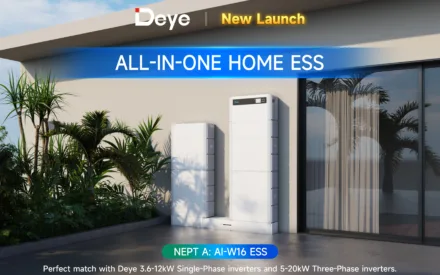
Deye delivers advanced solar battery systems with integrated battery management, thermal protection, and intelligent monitoring to prevent the issues discussed above. Our lithium iron phosphate and lithium-ion solutions serve residential, commercial, and utility-scale applications with exceptional safety and reliability. Visit deyeess.com to find the perfect energy storage solution for your solar investment.
Frequently Asked Questions
Can I expand my solar battery bank later by adding new batteries to existing ones?
Mixing batteries of different ages, brands, or capacities within the same bank is strongly discouraged. Older batteries have higher internal resistance, causing newer batteries to compensate and degrade faster. If expanding, replace the entire bank simultaneously with identical units. If budget constraints prevent full replacement, keep new additions in a completely separate bank managed by independent charge controllers.
Can solar batteries power my entire home during a grid outage, and for how long?
Whether a solar battery can power your entire home depends on battery capacity (measured in kWh), your household energy consumption, and available sunlight for recharging through solar power. A typical home uses 30-35 kWh daily, while most residential batteries store 10-20 kWh. Prioritizing essential loads — refrigerators, lighting, medical equipment — significantly extends backup duration. Pairing multiple batteries with a properly sized solar array allows continuous off-grid operation, while single-battery systems typically provide 8-12 hours of essential power coverage.